

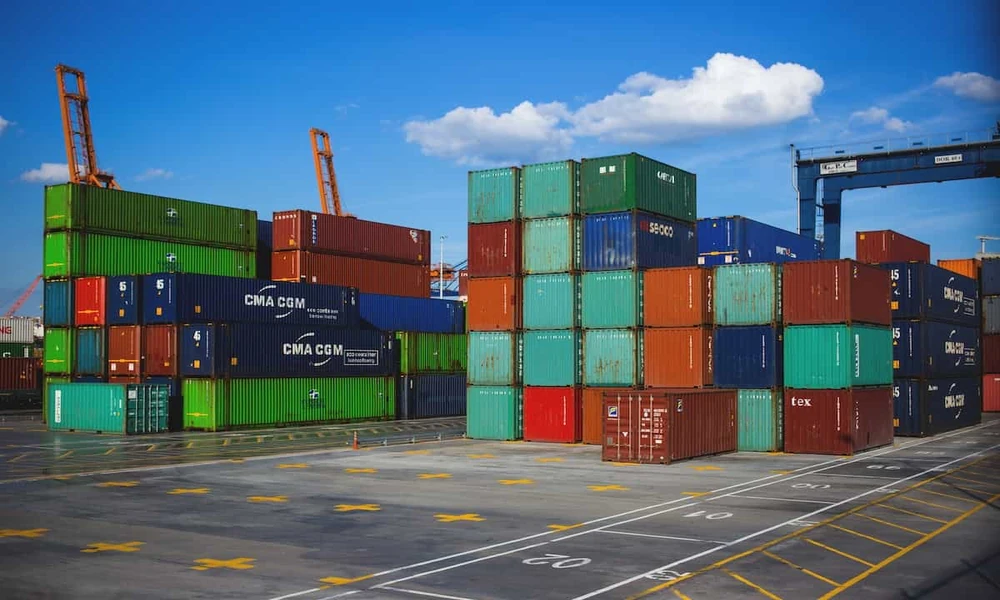
Special customs areas help businesses move products across borders under specific tax arrangements. International trade relies on organised procedures that allow companies to reach overseas markets while meeting government requirements. Duty-free zones offer designated spaces where eligible goods can be stored or prepared before entering local markets. Businesses can support cross-border trade by understanding the advantages of duty free zones malaysia and the regulated customs procedures that facilitate commercial activity.
Meaning of Duty Free Zones
Duty-free zones are designated areas where eligible goods receive special customs treatment under government regulations. Certain import duties may be deferred while products remain within approved boundaries. Companies can hold stock before deciding its next destination. Customs authorities oversee these activities to ensure compliance with applicable laws.
Customs Rules and Procedures
Customs requirements determine which goods qualify for special treatment within these areas. Before transferring products, companies need to prepare the necessary documents and confirm the applicable conditions. Correct declarations help officials identify shipments and process requests efficiently.
Businesses should maintain organised records throughout their operations. Important steps include:
· Prepare complete shipment documents before goods enter designated areas.
· Verify product eligibility against current customs regulations.
· Record stock movements promptly to maintain accurate inventory details.
· Submit declarations before transferring goods beyond authorised boundaries.
· Retain supporting paperwork for inspections by customs officials.
These practices help companies maintain accurate records throughout their operations. Staff who understand the rules can manage paperwork more confidently. Regular checks also make it easier to identify missing details before shipments move forward.
Supporting International Business Activities
Duty-free zones help companies organise goods before sending them to overseas buyers. Products may remain in storage while businesses arrange their next shipment. Approved handling activities can also prepare goods for onward movement. This arrangement gives companies greater control over inventory decisions.
Businesses examining duty free zones malaysia can assess whether local customs arrangements suit their distribution requirements. The permitted activities depend on the relevant regulations and the type of goods involved. Careful coordination between suppliers and customs representatives helps keep shipments organised. Companies can then manage product movements according to their commercial needs.
Economic Growth and Investment
Special customs areas can attract businesses seeking suitable locations for storage or distribution. Clear operating rules may encourage investors to establish facilities and expand existing operations. These activities can create employment in warehouse management and shipment coordination. Local suppliers may also find opportunities to support businesses working within designated areas.
The wider impact depends on effective administration and suitable infrastructure. Governments can encourage productive activity by maintaining clear rules. Businesses also need trained employees who understand their responsibilities. Together, these factors can support steady economic development.
Differences Between Customs Zones
Duty free zones differ from ordinary warehouses because eligible goods may receive special customs treatment. In a standard warehouse, imported products generally follow the usual customs requirements applicable to their location. Within an authorised zone, certain duties may remain unpaid until goods enter domestic customs territory.
Managing Operations Effectively
Effective management begins with clear responsibilities for handling goods and maintaining records. Businesses should assign staff to monitor inventory and communicate with customs officials when necessary. Routine checks can reveal differences between recorded quantities and actual stock. Prompt corrections help maintain reliable documentation.
Businesses can make informed decisions by comparing customs requirements with their operational goals. Reviewing eligibility conditions before committing funds helps prevent avoidable costs. Guidance from a qualified customs professional can clarify complex requirements. With suitable preparation, companies can select arrangements that support efficient distribution and sustainable commercial growth.
FAQ
What is the main purpose of duty-free zones?
They provide special customs arrangements for eligible imported goods.
Are import duties always waived within these zones?
No, payment depends on regulations and the goods’ destination.
Can every business operate within a duty-free zone?
Eligibility depends on local rules and approved business activities.
