

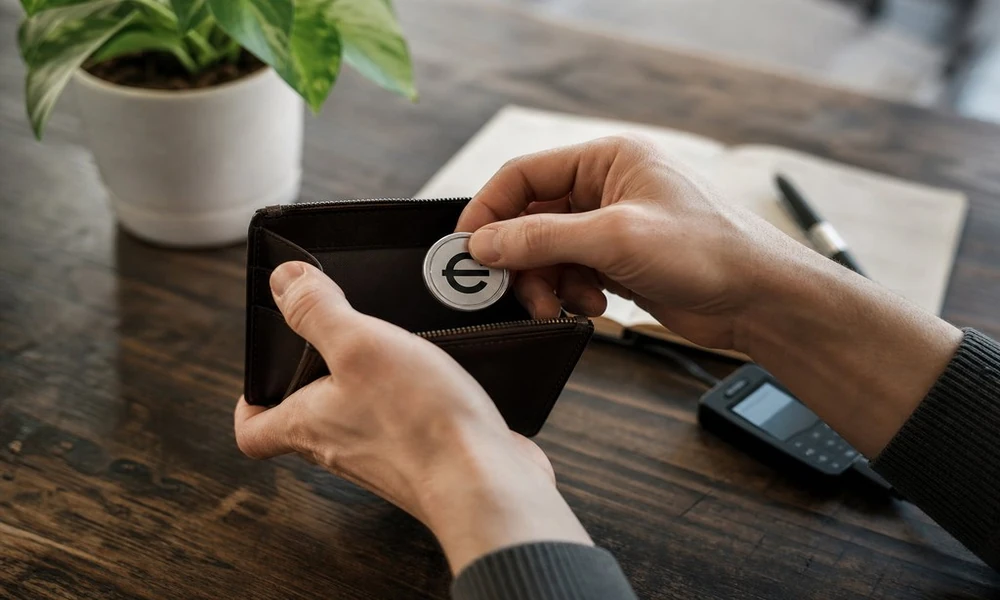
Digital currency security
Before deciding where to buy digital currency, figure out what you’re comfortable using your money on. Start by visiting the asset’s official website (make sure to check the URL), read through the documentation and figure out what the asset is used for, how its network works, how you can store it (what wallets are compatible), where it’s actively traded, its transaction volumes and so on. It’s also worth learning how much you can trade at any given time without significantly moving the market, as not all digital currencies are very liquid.
Research the Asset and Verify the Platform
If you can buy your chosen asset from an established trading platform, we would recommend doing so. If you’re considering an exchange you haven’t used before, check its track record, and make sure you can find answers to questions around identity “verification”, security, available payment methods, fee structures, and the process for moving assets in and out of the exchange. If you’re unsure about a trading venue’s identity or intentions, there are likely better alternatives – more on how to buy eCash ECX safely if you want that route.
Secure the Account Before Funding It
Once you’ve found somewhere to make a purchase, resist the temptation to dive in straight away – set up your account, then review security settings before linking payment methods or adding funds. At a minimum we’d recommend setting a strong, unique password and enabling multi-factor authentication (via an authenticator app where possible; SMS-only isn’t ideal). Where possible, secure your account recovery email, enable login alerts, whitelisting of withdrawal addresses, etc. If anyone asks for your password, private keys, backup (seed) phrases, or 2FA codes, walk away – it’s a scam, even if it’s purportedly from customer support.
Check Costs and Transaction Details
- How much will you receive? You may have seen a certain digital currency trading at a certain price, but it’s the final figure you’ll receive that’s most important.
- How will you pay? It may be convenient to pay in a particular way, but is it likely to increase costs or restrict how soon you can make withdrawals (until your deposit has cleared, for example)?
Match the Asset, Wallet, and Transfer Network
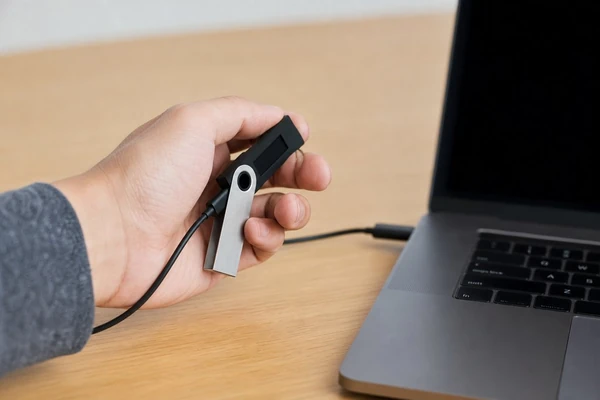
Digital currency wallet and network
- Confirm that the trading platform and your wallet support the same transfer networks for the digital currency you want to buy. It is possible to generate a wallet address that does not match the asset or transfer network you have selected, so it can be perfectly valid and still not the address you want. If you transfer digital currency to the wrong network it may be complicated, or even impossible, to retrieve.
- Follow these steps to prepare a withdrawal from your trading platform:
- Confirm that the wallet supports the specific asset.
- Confirm that you control the wallet you want to receive it into.
- Confirm that your wallet and the trading platform support the same transfer networks, and that you’re using the correct network on both sides.
- Add a memo or destination tag if it’s requested.
- Check for fees, minimum limits and so on.
- If in any doubt, consider making a small test withdrawal first and only send the remaining balance once you’re confident it has arrived safely.
Choose and Protect the Storage Method
- A wallet provided by your trading platform (https://www.forbes.com/advisor/investing/cryptocurrency/crypto-wallets is the page I keep coming back to) may be a good choice if you plan on making more purchases and sales. However, remember you will not have control over the wallet infrastructure, as you will be relying on the trading platform to look after it for you.
- If you use your own wallet you’ll have more control, but will also be responsible for its security. For this reason, many long-term holders prefer a wallet where they control their recovery phrase or private keys.
- If you make use of a recovery phrase, write it down and store the written record somewhere safe. Don’t share this, or store it by email or in cloud services. Unlike a password, it can’t be reset, so losing it could mean losing your digital currency. Anyone who has your recovery phrase may be able to move any assets associated with it without access to your devices.
Recognize Scams and Test the First Purchase
Some scams can be easy to spot. Others can be harder to recognise, for example when a fraudster disguises their approach as a helpful gesture (an investment opportunity, a prize or giveaway, tech support or a warning about your account security) and makes use of a professional logo and wording. All of these could be attempts to trick you into transferring digital currency or sharing your security credentials.
Be wary if an investment sounds too good to be true, someone insists you act urgently, tech support contacts you unexpectedly, you’re asked to download remote-access software, pay a fee to unlock your winnings, or deposit funds for “verification”. Genuine investments don’t demand urgency or secrecy, so take your time, and if in doubt, don’t send money or share security credentials.
Remember, your first purchase will teach you how all the moving parts fit together:
- How to verify and protect your account with the trading platform
- How to confirm the fees you’ve expected
- How to select the right transfer network for your wallet
- How to make a withdrawal
- Where to store the offline record of your recovery phrase (if applicable)
Ideally, you should treat the cost as the price you are paying for this knowledge, so only buy a small amount. Then wait at least 24 hours before making another, larger purchase.
This time in between purchases will give you a chance to make sure everything has arrived as expected, try making a withdrawal and feel any pinch from fees or restrictions you hadn’t expected.
It will also provide some valuable separation between you and the sometimes breathless frenzy surrounding the world of digital currencies, when prices can seem to skyrocket and crash at the drop of a hat.
Keep records of details such as which trading platform you used, which digital currency you bought, the network you used to transfer it, and where you’ve stored any written copy of a recovery phrase. Next time around, you’ll be able to confirm you’ve got everything right with a tick-list of reassuring familiarity.
